
 Facebook
 X
X
 Pinterest
 Copy Link
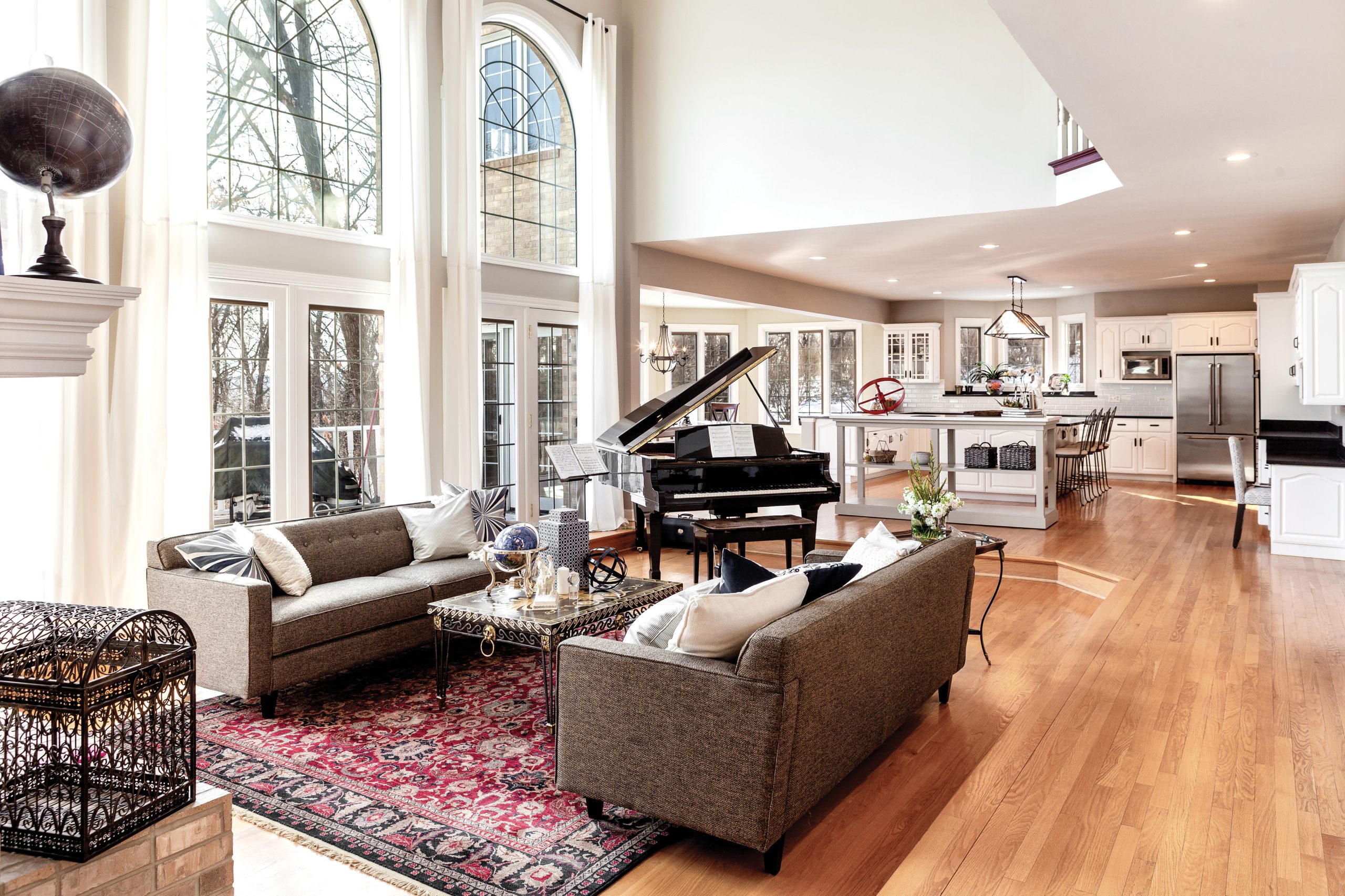
When the Kids Don’t Want the House: A Modern Shift in Family Real Estate and Inheritance
For generations, passing down the family home was almost a given — a symbol of legacy, stability, and continuity. But today, more and more adult children are saying something their parents never expected:
“I don’t want the house.”
This shift isn’t rooted in ungratefulness. It’s deeply connected to lifestyle changes, geography, financial pressures, and evolving attitudes toward homeownership and inheritance. Let’s explore why this trend is accelerating, what families are doing instead, and whether selling a home before death offers any financial advantage.
- Why Children Are Declining the Family Home
They’ve moved away — often far away.
Many adult children simply don’t live anywhere near their parents. Careers have become more mobile, with younger generations relocating for affordability, opportunity, or lifestyle. Inheritance stories show that even when a home is paid off, it may still feel like a burden if the child’s life is established elsewhere. For example, research on millennials inheriting boomer homes highlights how inheritors often feel unprepared to manage or relocate to the property — even when it’s mortgage‑free. [businessinsider.com]
They don’t want the responsibilities that come with an older home.
Inherited homes often require major updates, repairs, decluttering, and logistical coordination. Younger generations — already navigating high housing costs, childcare, or student debt — may not want the time or expense of taking on a property that needs substantial work. [businessinsider.com]
Expectations around inheritance are shifting.
Children may expect an inheritance and assume it will arrive in the form of assets they can use flexibly. But surveys show a major disconnect between what younger generations expect and what their parents intend to leave behind. Many boomers prioritize their own financial security and may not plan on leaving large inheritances at all. [usatoday.com], [fa-mag.com]
- Many Parents Are Selling the Family Home Sooner — and Helping Kids Buy Their Own
A growing number of parents are choosing to downsize early and instead use their resources to help children buy homes of their own.
Parents helping children with home purchases is on the rise.
High home prices and interest rates have pushed more families into collaborative buying strategies. Parents are increasingly co‑signing mortgages, gifting down payments, co‑owning properties, or providing family loans. In 2024, 38% of Gen Z homebuyers received parental help — a dramatic rise from prior decades. [realtor.com]
This often pairs naturally with parents selling their own home.
Downsizing is common for retirees seeking lower expenses and simpler living. About 51% of retirees choose to downsize for financial, lifestyle, or logistical reasons.
Instead of maintaining a large property that their children don’t want, parents may use home‑sale proceeds to relocate, simplify, or support their adult children in achieving homeownership independently. [kiplinger.com]
- Should Parents Sell the Home Before Death for Tax Reasons?
This is one of the biggest questions families ask — and the answer depends heavily on the tax code, particularly the step‑up in basis.
The Step‑Up in Basis Usually Makes Inheriting More Tax‑Efficient
Under current U.S. tax law, most inherited real estate receives a step‑up in basis to the fair market value at the date of death. That means:
- If parents bought a home for $120,000
- And the home is worth $700,000 at death
- The child’s taxable gain is based only on appreciation after inheritance
This typically reduces — or eliminates — capital gains taxes when the heir sells. [brooksweal…gement.com]
Selling the home before death means the parents owe capital gains on the full appreciation during their lifetime (minus the $250k/$500k primary residence exclusion). In most cases, this results in higher taxes overall than if the home passes at death.
When selling before death might make sense
There are scenarios where selling sooner can be appropriate:
- If the parents will not qualify for the homeowner capital gains exclusion (e.g., haven’t lived there 2 of last 5 years)
- If they urgently need liquidity for healthcare or living expenses
- If they plan to downsize or relocate for lifestyle reasons
- If the estate is large enough to face federal estate taxes after the 2026 exemption reduction
Upcoming 2026 Estate Tax Changes
The federal estate tax exemption is scheduled to cut in half in 2026:
- From ~$13.99M per person in 2025
- To roughly ~$7M per person in 2026
This change will bring more upper‑middle‑class families into taxable territory, especially those with valuable real estate portfolios. [johnsflaherty.com]
However — even when the estate is taxable — the step‑up in basis still applies, making inheritance more tax‑efficient than gifting or selling before death. [financialsamurai.com]
- Why Open Family Conversations Matter
A recurring theme in research:
Parents and children simply aren’t talking about this.
Nearly half of boomers who plan to leave an inheritance haven’t discussed it with their children. This leads to mismatched expectations, emotional strain, and difficult decisions when the time comes. [fa-mag.com]
Discussing questions like these can prevent conflict and uncertainty:
- Do the children want the house?
- Can they afford the taxes, upkeep, and insurance?
- Should the home be sold and the proceeds divided?
- Should parents downsize earlier to simplify the future?
- Would children prefer financial help for a different home instead?
Families who plan ahead protect both relationships and finances.
- The Bottom Line
The days of automatically passing down the family home are fading. Adult children’s lives are more geographically scattered, their financial realities are different, and homes themselves often require more work than they’re worth to keep.
For many families, it makes far more sense to:
- Sell the home when parents are ready
- Downsize to a more manageable lifestyle
- Use the capital to support children in purchasing homes that fit their lives
- And ensure estate planning documents reflect everyone’s actual wishes
From a tax standpoint, holding property until death typically offers the greatest financial benefit due to the step‑up in basis. But lifestyle, health, family dynamics, and long‑term planning are just as important.
The key — today more than ever — is conversation, clarity, and a plan that supports everyone’s wellbeing.
THIS BLOG IS NOT INTENDED TO GIVE FINANCIAL ADVICE. PLEASE REACH OUT TO YOUR ADVISOR AND ATTORNEY FOR DETAILED GUIDANCE.
Sources
- Step‑up in basis explanation and tax examples: Brooks Wealth Management, LegalClarity, Massey & Co. CPA [brooksweal…gement.com], [legalclarity.org], [masseyandc…anycpa.com]
- Estate tax thresholds and step‑up implications: Financial Samurai [financialsamurai.com]
- Stepped‑up basis overview: SmartAsset, Schorr Law [smartasset.com], [schorr-law.com]
- Children declining inherited homes; millennial inheritance challenges: Business Insider [businessinsider.com]
- Inheritance expectation gap: USA Today, Financial Advisor Magazine [usatoday.com], [fa-mag.com]
- Parents helping kids buy homes: Realtor.com, Fidelity [realtor.com], [fidelity.com]
- Downsizing trends: Kiplinger [kiplinger.com]
- 2026 estate planning changes: Johns Flaherty & Collins [johnsflaherty.com]
- Broader wealth‑transfer context: Investopedia [investopedia.com]


